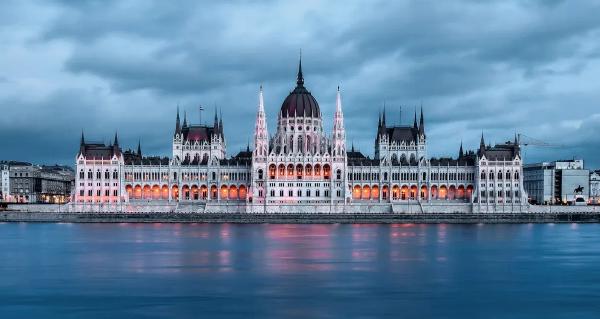
ℹ️ Short answer: Yes, Budapest is safe. The US State Department rates Hungary Level 1 (its lowest), and the 2026 Global Peace Index puts Hungary 15th of 163 countries. What goes wrong for visitors is almost always about money: pickpockets on crowded transport, bars that overcharge tourists and pressure them to pay, unlicensed taxis and poor exchange rates. Drink only where you chose to go, use a yellow licensed taxi or an app, and pay in forints. In an emergency, call 112. Is Budapest safe? For your body, very; for your wallet, mostly, provided you know the four or five ways visitors actually get caught out. None of them involves dark alleys. They involve a charming stranger who knows “a great bar”, a taxi that isn’t really a taxi, and a card machine offering to charge you in your home currency.
ℹ️ Short answer: A Budapest trip costs about 15,000–25,000 HUF (€40–70) per person per day on a hostel budget, 35,000–70,000 HUF (€95–190) mid-range with a shared 3- or 4-star room, and 70,000 HUF (€190) and up for a comfortable trip, before flights. The big tickets set the budget: Széchenyi Baths 13,200 HUF, the Parliament 14,000 HUF for non-EU visitors (7,000 HUF for EU/EEA), and a 72-hour travelcard 5,750 HUF (prices as of October 2026). Food and transport are still cheap. The sights and the hotel are where the money goes. The usual line on Budapest trip cost is that the city is cheap. Half true. A lángos is 2,490 HUF (about €7) and a 72-hour travelcard 5,750 HUF (about €16). Then you buy a weekend bath ticket at 14,800 HUF and the “cheap city” story gets quieter.
ℹ️ Short answer: Budapest uses the Hungarian forint (HUF), not the euro: about 366–368 forints to €1 in early October 2026. Pay by card almost everywhere, and when a terminal or ATM offers your home currency, always pick HUF. Use a bank ATM, not a freestanding one, and skip euro cash: places that take it set their own rate. Before tipping, check the bill for a service charge (szervizdíj) of up to 15%. If it’s there, you’re done. If not, leave about 10%. The Budapest currency is the forint, and the one decision that costs visitors real money takes about two seconds: the moment a card machine asks “HUF or EUR?”. Pick the wrong button a dozen times over a long weekend and you’ve paid for a dinner you didn’t eat. This guide covers that button, which ATMs to use, whether euros are worth carrying, and the tipping rules that confuse almost everyone, because half the bills in town already include the tip.
ℹ️ Short answer: Take the 100E Airport Express: 2,500 HUF (about €7), around the clock, about 40 minutes to Kálvin tér, Astoria and Deák Ferenc tér, and you can pay by tapping your bank card on board. With a 24- or 72-hour travelcard, take the 200E bus + M3 metro instead, which the pass covers. A taxi costs roughly 13,000–16,000 HUF (€36–44) to the centre. Uber and Bolt both work, at the same regulated fare. Getting from Budapest airport to the city centre is simpler than most guides make it, and more expensive than the ones written before 2025 say. The 100E bus is the answer for nearly everyone. The exceptions are travellers with a travelcard, groups of three or four who’d pay less in a taxi, and anyone landing at 1:00 with a suitcase and no patience left. This guide compares every option with the 2026 fares from BKK and Budapest Airport, and tells you which one to pick.
ℹ️ Short answer: The Budapest Card is worth it only if you visit museums. The 72-hour card costs 29,990 HUF (about €82) against 5,750 HUF (about €16) for a 72-hour travelcard, so its free entries must be worth about 24,000 HUF before you save anything. A classic first trip (Parliament, Széchenyi, a cruise) falls short by about 6,500 HUF, because the Parliament isn’t included and Széchenyi is only 20% off. Add three or four museums, or Lukács Bath, and the card saves 10,000 HUF or more. The Budapest Card is the city’s official sightseeing pass, sold by the transport company BKK. Its price went up on 1 May 2026, and most of the pages ranking for “is the Budapest Card worth it” still quote older prices, a 120-hour card that no longer exists, or a free Matthias Church visit that isn’t on the official list. This guide uses BKK’s current price list and partner list, and runs the maths for three real trips.